As resorts and hotels continue to grow in popularity, creating attractive and functional outdoor spaces has become an important part of hospitality development. The growing interest in wellness tourism and nature-based travel is also encouraging hospitality businesses to invest in better outdoor experiences. According to the Global Wellness Institute’s 2026 Wellness Tourism Trends, travelers are increasingly seeking destinations that offer relaxation, privacy, and closer connections with nature. In response, many hotels and resorts are investing in outdoor renovations to improve guest experiences, upgrade existing facilities, and make better use of their available space.
Swimming pools, open-air restaurants, garden lounges, and beachfront recreation areas are becoming key features of modern hospitality properties, making outdoor shade facilities an important part of new developments and renovation projects. This article explores how hotels and resorts can plan effective outdoor shade solutions for different areas and select suitable products and manufacturers for their projects.
Part 1: Why Are Sun Shade Structures Essential for Modern Hotels and Resorts?
Outdoor spaces play an important role in shaping how guests experience a hotel or resort. From swimming and dining to relaxing in landscaped gardens, many hospitality activities take place outside. Without adequate shade, these areas may become uncomfortable during periods of strong sunlight, reducing their practical value.
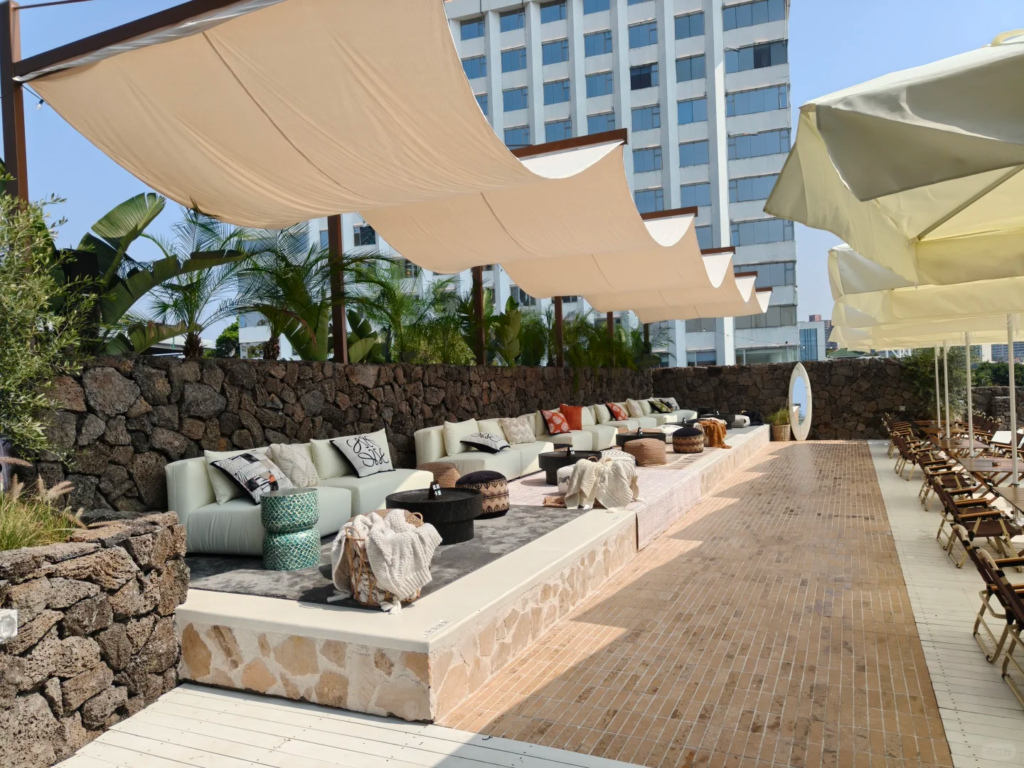
1. Improving Guest Comfort and Outdoor Usability
Direct sunlight can make outdoor seating, pool decks, and dining terraces difficult to use during the hottest hours of the day. Properly positioned shade structures help reduce direct solar exposure and create more comfortable places for guests to relax. Breathable shade fabrics are particularly useful in warm climates because they provide overhead protection while allowing air to circulate. Unlike fully enclosed coverings, suitable open-weave fabrics can help maintain a more comfortable outdoor environment.
2. Strengthening Architectural Identity and Landscape Design
Shade structures also contribute to the visual identity of a property. Their shapes, colors, materials, and positioning can complement the hotel’s architecture and surrounding landscape. For example, geometric shade sails can introduce a contemporary design element, while fabric-roof pergolas and landscaped pavilions can create a more integrated outdoor appearance. Coordinating the shade structures across different areas helps establish a consistent design language throughout the property.
3. Supporting UV Protection in Outdoor Environments
UV protection is another important consideration, especially for hotels in tropical, coastal, and high-sunshine destinations. The level of protection depends on the fabric’s UV-blocking performance, coverage, installation angle, and surrounding environmental conditions. A suitable shade structure can reduce direct UV exposure, although reflected and scattered UV radiation may still reach people underneath. For this reason, shade should complement other sun-protection measures rather than replace them.
Part 2: How to Design Sun Shade Structures for Different Hotel and Resort Areas
1. Swimming Pool Areas: Balancing Sun Protection, Open Views, and Guest Comfort
Swimming pools are among the most important outdoor facilities in hotels and resorts. Guests use these areas for swimming, sunbathing, socializing, and relaxation. Consequently, poolside shading needs to provide comfortable covered areas without making the entire space feel enclosed. For large swimming pool projects, the layout should consider the direction of sunlight throughout the day, the location of loungers, walking routes, and views across the water. Rather than covering the entire pool indiscriminately, it is often more practical to create designated shaded zones around the pool.
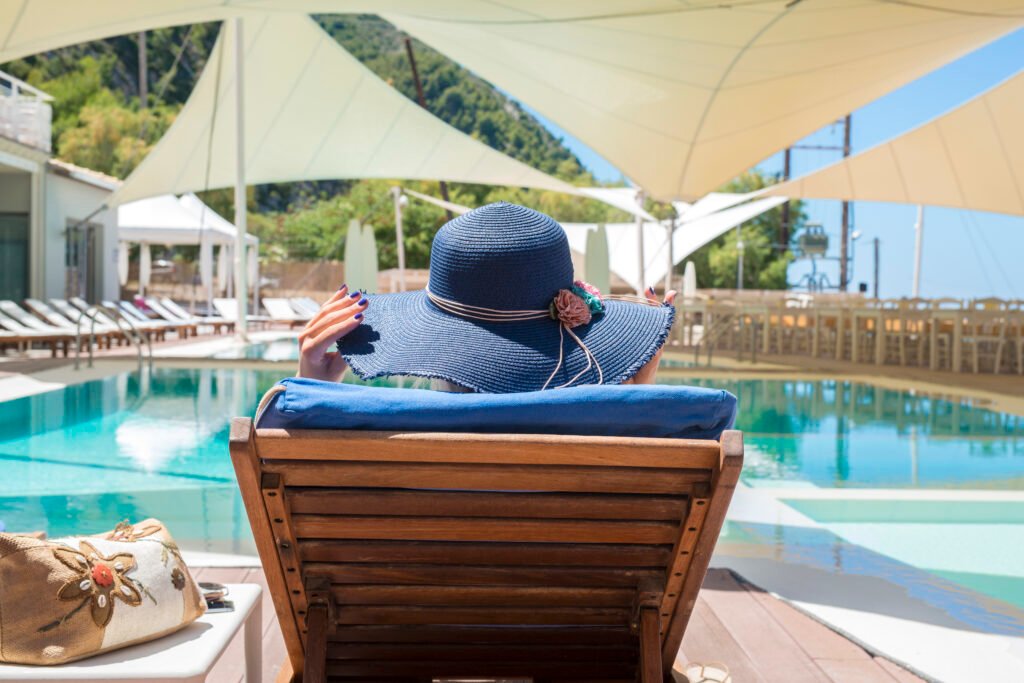
Fixed shade sails are a practical option for pool decks, especially around sun loungers, seating areas, and children’s recreation zones. Multiple triangular or rectangular sails can be arranged at different heights to create attractive coverage while maintaining an open architectural appearance. Their breathable fabric construction is particularly suitable for outdoor environments where airflow is important.
Young Shade Sail supplies HDPE shade sails and shade fabrics for outdoor applications, offering breathable knitted construction, UV protection, and a range of colors and specifications. Multiple sails can be arranged to suit different poolside layouts and coverage requirements.
2. Outdoor Restaurants and Dining Terraces: Creating Comfortable Dining Environments
Outdoor dining areas require a carefully planned balance between shade, ventilation, seating arrangements, and visual appeal. Guests should be able to enjoy their meals without excessive direct sunlight, while staff need sufficient space to move between tables and serve customers.
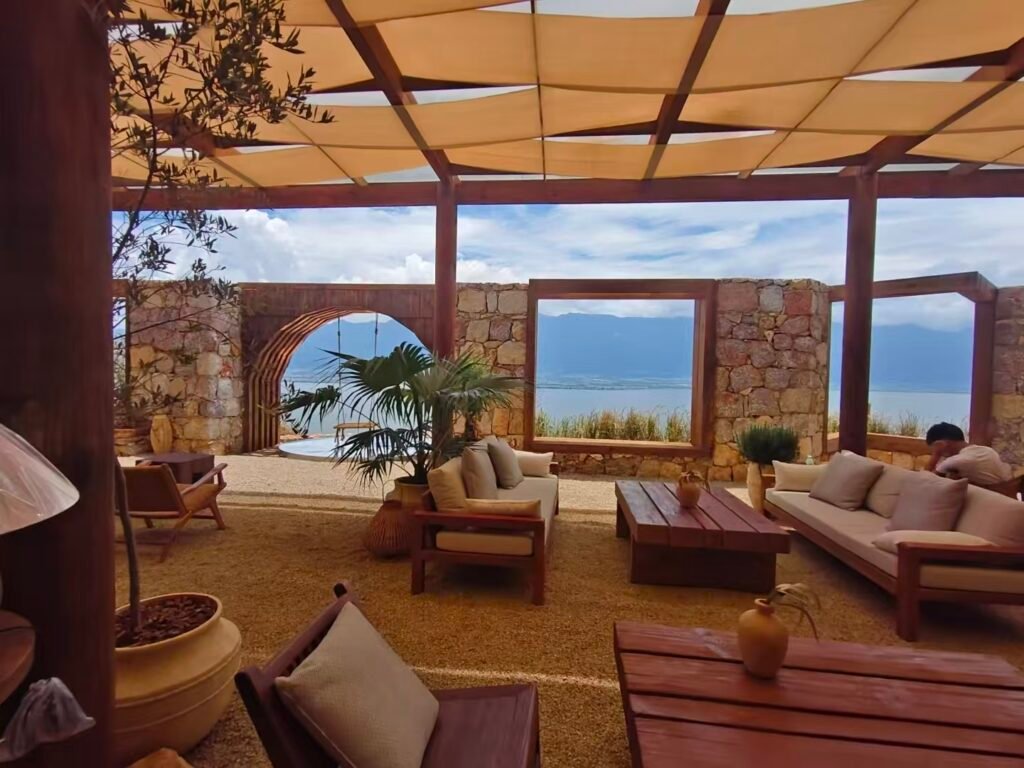
Wave shade sails can provide a more permanent sunshade solution for small outdoor dining and cafe areas. Several sails can be combined to cover multiple seating sections while creating a distinctive architectural feature. At the same time, it provides guests with a sense of comfort and relaxation. They are suitable for dining spaces attached to rooftop restaurants, and open-air cafés.
Material selection is especially important in restaurant environments. Breathable HDPE fabric is suitable when the main objective is sun protection and ventilation. However, where rain protection is required, waterproof roofing materials and appropriate drainage systems should be considered. Standard breathable HDPE shade fabric should not be treated as a waterproof covering.
3. Outdoor Lounges and Relaxation Areas: Flexible Shade for Guest Comfort
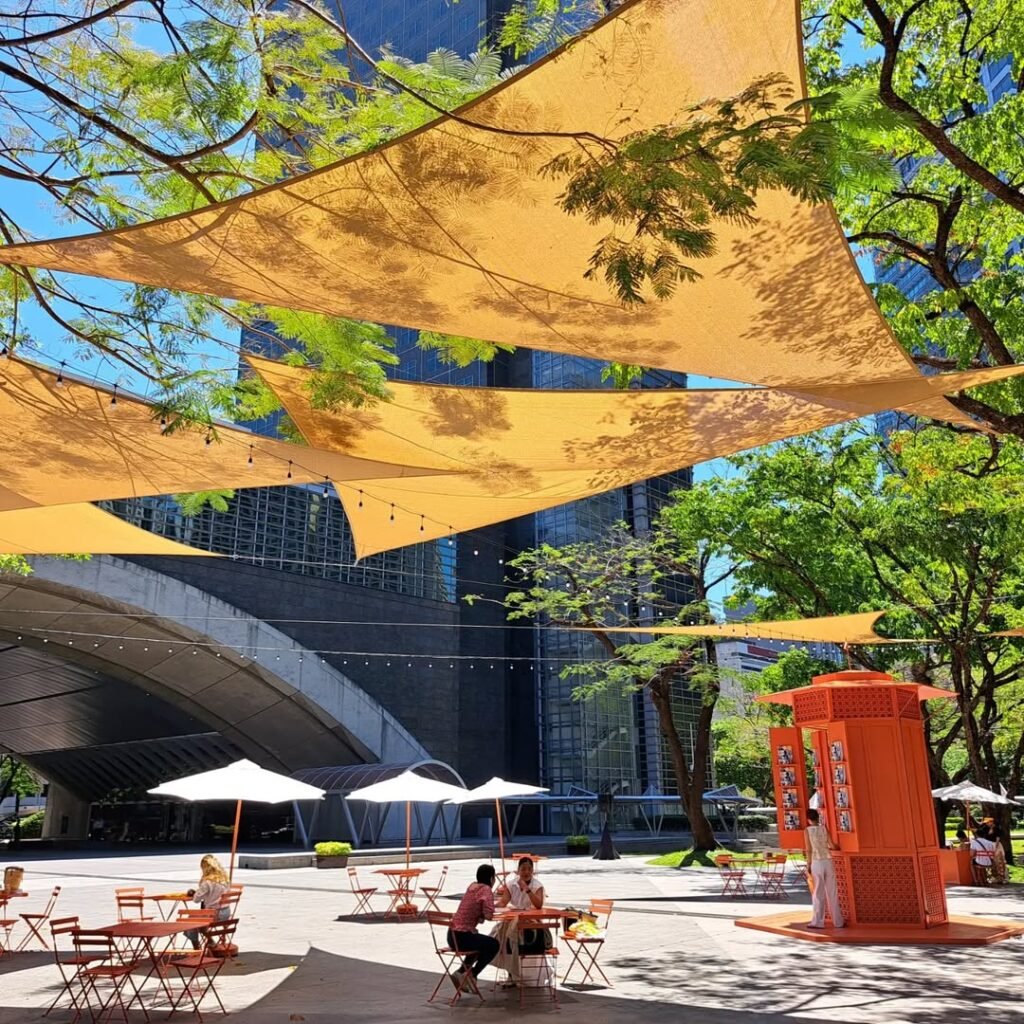
Outdoor lounges are designed for guests who want to relax away from busy swimming pools and dining areas. These spaces may include sofas, daybeds, sun loungers, outdoor seating platforms, and social areas overlooking gardens or the ocean. Unlike walkways, which mainly require continuous overhead coverage, lounge areas benefit from a combination of shaded seating and open spaces. The goal is to create comfortable places to sit while preserving the relaxed atmosphere of the resort.
Multi-piece composite shade sails are suitable for open lounge platforms and larger seating arrangements. Their flexible shapes and installation heights allow designers to create visually interesting overhead coverage without introducing heavy enclosed structures.
Color coordination is also important. Neutral shades can complement natural stone, timber, and tropical landscaping, while darker or contrasting colors can create a more distinctive architectural statement.
4. Event Spaces and Outdoor Activity Areas: Large-Scale Shade for Group Use
Many hotels and resorts host weddings, corporate events, outdoor celebrations, group activities, and seasonal gatherings. These spaces may need to accommodate changing numbers of people and different event layouts.
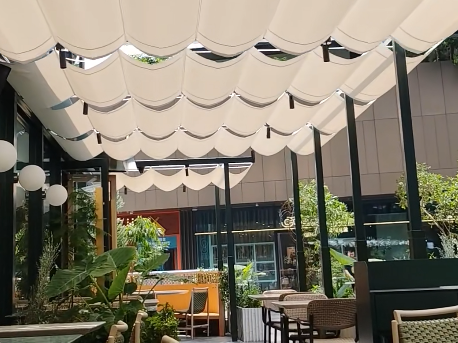
Retractable canopies can work well where the same space serves multiple purposes and the level of coverage needs to change. Temporary event canopies may be more practical for occasional gatherings, provided they are selected and installed according to the expected weather and site conditions. For large event areas, the design should consider more than the covered floor area. Guest capacity, stage placement, circulation routes, equipment access, wind conditions, and emergency exits all influence the final layout.
Where the space is used for weddings or outdoor dining events, appearance is also important. Fabric color, canopy shape, lighting integration, and the relationship with surrounding landscaping can all contribute to the overall atmosphere.
Part 3: Which is the Best Shade Structures Material for Resort and Hotel?
HDPE (High-Density Polyethylene) shade fabric is one of the best choices for outdoor shade structures in hotels and resorts. Its knitted construction, excellent UV resistance, lightweight properties, and long-term outdoor durability make it particularly suitable for swimming pools, outdoor restaurants, garden lounges, walkways, and large recreational areas.
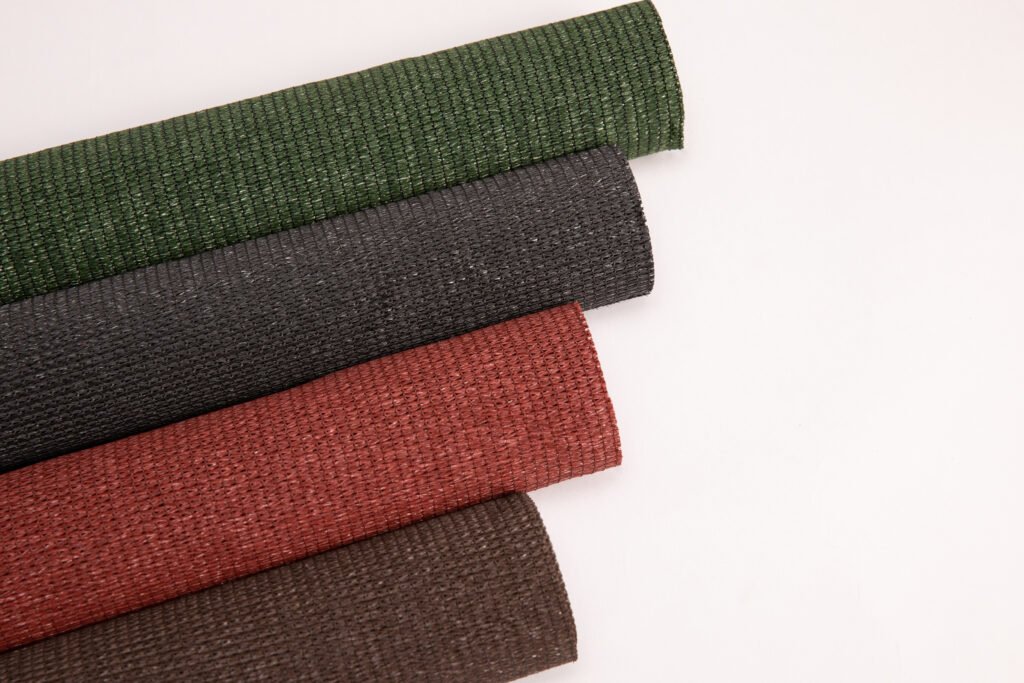
- Excellent UV Protection: High-quality HDPE shade fabric can block up to 95% of harmful UV radiation, helping create more comfortable outdoor environments for hotel guests and staff.
- Breathable Knitted Construction: Unlike solid coverings, the knitted mesh structure allows air to circulate through the fabric, helping reduce heat buildup underneath the shade structure. This is particularly valuable in tropical and hot-weather destinations.
- Outstanding Outdoor Durability: UV-resistant additives help protect the material against prolonged sunlight exposure, reducing premature aging and supporting long-term outdoor use.
- Lightweight Yet Strong: HDPE fabric combines relatively low weight with good tensile strength, making it suitable for large shade sails, outdoor canopies, and multi-panel installations.
- Low Maintenance Requirements: Its durable knitted construction is suitable for outdoor environments and requires relatively straightforward routine cleaning and inspection.
For hotels and resorts looking for reliable, breathable, and visually appealing outdoor shade solutions, HDPE shade fabric provides an excellent combination of UV protection, ventilation, durability, and design flexibility. Young Shade Sail manufactures HDPE shade fabrics with UV protection of up to 95%, offering customized specifications and wholesale supply for commercial and residential projects.
Part 3: Which Manufacturer Specializes in Hotel and Resort Shade Solutions?
Young Shade Sail is a professional manufacturer and global supplier specializing in outdoor shade products and technical textile solutions. Its product range includes shade sails, HDPE shade fabric rolls, retractable shade canopies, camping shade canopies, and other outdoor shade products for commercial and residential applications. Since its establishment more than 20 years ago, with experience serving international markets, Young Shade Sail supplies products to customers across the United States, Europe, South America, Southeast Asia, the Middle East, and other regions. Its products are used in a variety of outdoor environments, including commercial facilities, recreational spaces, agricultural applications, and landscape projects.
Advanced Manufacturing Equipment and Production Capability
Manufacturing capacity and equipment quality directly affect product consistency and the ability to handle bulk orders. Young Shade Sail operates automated warp-knitting equipment from Germany’s Karl Mayer. These computerized machines support the production of knitted shade fabrics with controlled construction and consistent specifications. The factory also operates multiple production lines to support different product requirements and larger-volume orders. With integrated manufacturing and international supply operations, Young Shade Sail can coordinate production specifications, quality checks, and bulk orders for distributors, importers, and project buyers.
Custom Manufacturing for Different Project Requirements
Hotel and resort projects rarely have identical requirements. Different areas may need different fabric widths, weights, colors, shading rates, and installation specifications.
Young Shade Sail offers product customization covering:
- Fabric width and roll length.
- Fabric weight and specifications.
- Shade rates according to product requirements.
- Multiple color options.
- Reinforced edges, webbing, and installation-related details where applicable.
FAQ
1. What Are the Best Shade Structures for Hotels and Resorts?
The best option depends on the application. Shade sails work well for open poolside and garden areas, retractable canopies provide flexible coverage for terraces, and commercial umbrellas are suitable for individual seating areas.
2. What Is the Best Shade Structure for a Resort Swimming Pool?
Fixed shade sails and retractable canopies are popular choices for poolside areas. The decision depends on pool size, seating layout, desired coverage, and whether adjustable shade is required.
3. What Materials Are Best for Hotel Outdoor Shade Structures?
HDPE is suitable for breathable outdoor shade applications, while PVC-coated fabrics are more appropriate for many waterproof canopy applications. Acrylic is another option for selected awnings and decorative installations.
Conclusion
Choosing the right shade structures for hotels and resorts requires more than selecting attractive canopies. Each outdoor area has different requirements, from breathable poolside shade and flexible restaurant coverings to large-scale structures for event spaces and landscaped gardens. For hotel developers, contractors, distributors, and project buyers, working with an experienced manufacturer also helps ensure that product specifications, quality requirements, and supply arrangements are properly addressed.
Contact Young Shade Sail to discuss your project requirements, request product specifications, and explore suitable shade solutions for your next hotel or resort project.