Crop loss caused by insects remains one of the most persistent challenges in modern agriculture and gardening. From small home gardens to large-scale agricultural projects, insects not only damage leaves and fruit directly but also spread plant diseases that reduce yield and quality. As growers worldwide seek safer, more sustainable alternatives to chemical pesticides, insect netting has become an essential solution for long-term pest control.
This guide explains what an insect net is, how insect netting works, where it is commonly used, and—most importantly—how to choose the best insect netting for garden, greenhouse, and agricultural applications.
Part 1: What Is Insect Netting ?
An insect net is a lightweight, porous fabric designed to act as a physical barrier between plants and harmful insects. Unlike chemical treatments that kill pests after infestation, insect netting works through prevention, stopping insects from reaching crops in the first place.
Most professional insect netting is supplied in insect net rolls, allowing it to be installed over planting beds, greenhouse openings, tunnels, or entire cultivation areas. The net’s effectiveness depends on a carefully engineered balance between mesh size, airflow, light transmission, and material strength.
- What makes insect netting especially valuable is its dual function. While it blocks insects such as aphids, whiteflies, thrips, leaf miners, moths, and beetles, it still allows sunlight, rain, and air to pass through. This creates a stable growing environment without disrupting plant development.
- Beyond pest exclusion, insect netting plays a critical role in reducing disease transmission. Many insects act as carriers of viruses and bacteria. By preventing contact altogether, insect netting protects crops at the earliest and most vulnerable growth stages—something sprays and traps cannot achieve consistently.
Part 2: Why Insect Netting Is Essential for Modern Growing?
1. Preventive Pest Control Instead of Reactive Treatment
Unlike sprays that act only after insects appear, insect netting prevents pests from reaching crops at all. By physically blocking aphids, moths, beetles, whiteflies, and other insects, crops are protected from the earliest growth stage, reducing stress and early damage that often affects final yield.
2. Reduced Dependence on Chemical Pesticides
Gardeners and farmers increasingly face restrictions on pesticide use and rising concerns over food safety. Garden insect netting and agricultural insect netting allow crops to grow in a protected environment without chemical residues, supporting organic and sustainable production systems.
3. Improved Crop Health and Yield Stability
Insects do more than chew leaves—they transmit viruses and weaken plant structure. Consistent protection from outdoor insect netting results in stronger plants, more uniform growth, and higher-quality harvests, especially for vegetables, fruits, and seedlings.
4. Long-Term Cost Efficiency
Although insect netting requires an initial investment, high-quality HDPE insect net rolls last for years. Compared to repeated spray applications and labor costs, insect netting delivers lower long-term expenses and predictable protection.
Part 3:Where Insect Netting Is Used: Key Applications Explained
1. Home Gardens and Small Plots
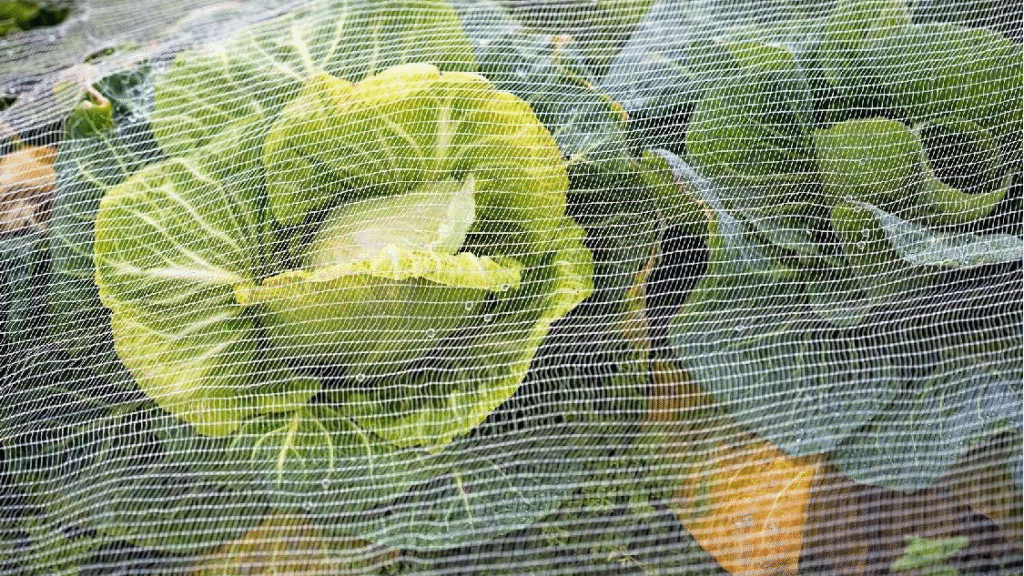
In home gardens, garden insect netting is widely used to protect vegetables, herbs, and fruit plants from common pests such as aphids and caterpillars. Nets can be laid directly over crops or supported by simple frames, creating a protective barrier that still allows sunlight, air, and rain to reach plants. This makes insect netting especially popular among gardeners seeking safe, low-maintenance solutions.
2. Greenhouses and Nurseries
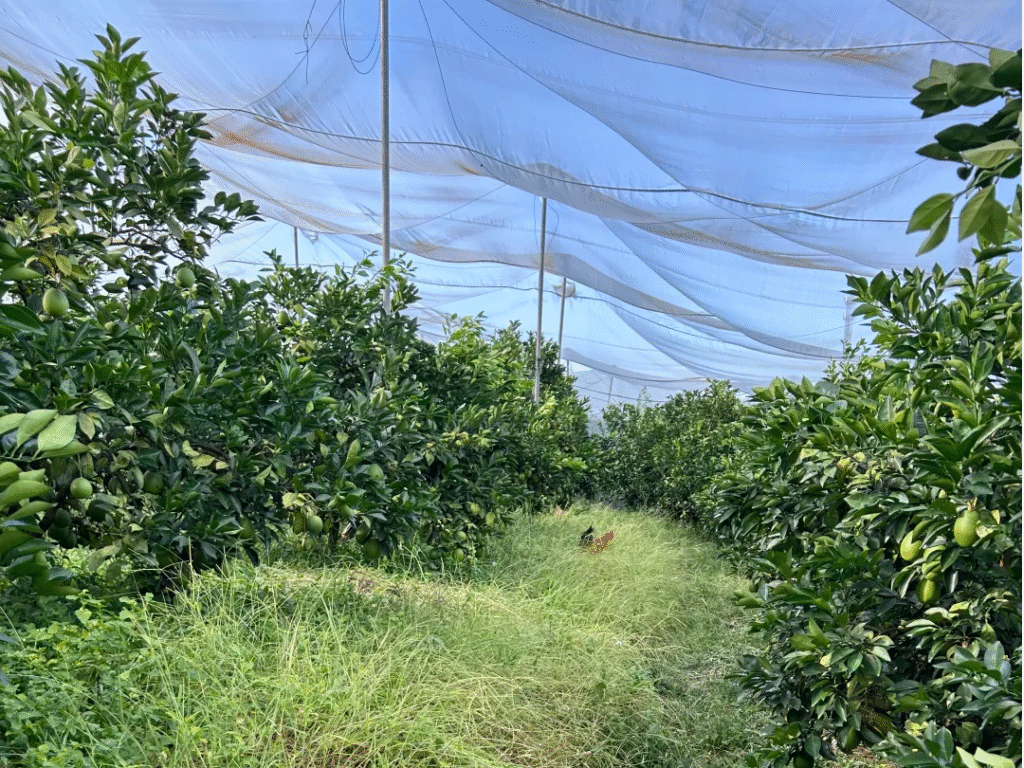
A greenhouse insect net is critical for controlling pests in enclosed growing environments. Nets are installed on ventilation openings, doors, and sidewalls to prevent insects from entering while maintaining airflow. Because greenhouses amplify pest reproduction once insects enter, preventive netting is far more effective than reactive control methods.
3. Agricultural Fields and Commercial Farms
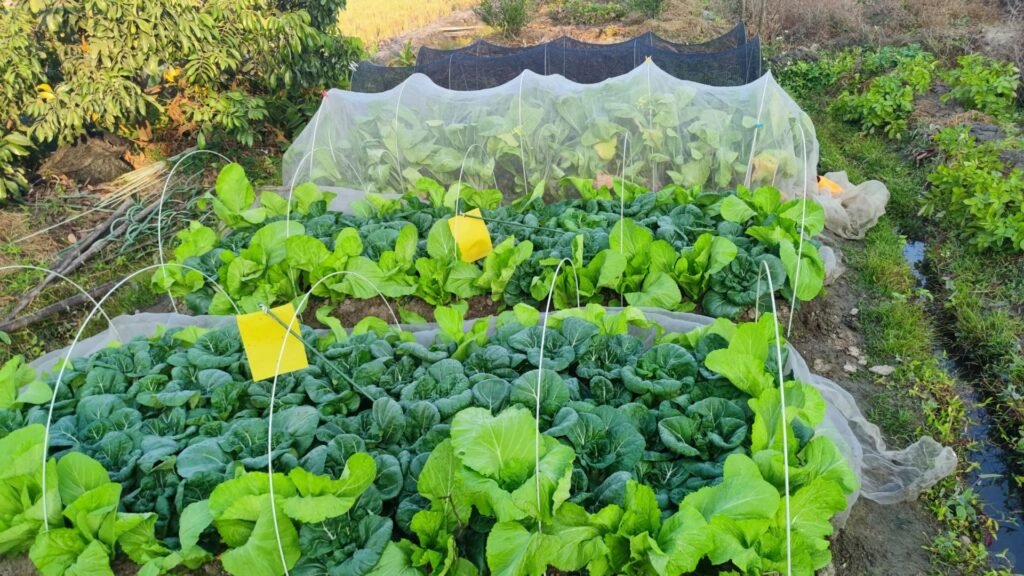
In large-scale farming, agricultural insect netting is used to protect vegetables, orchards, nurseries, and seedling production areas. Depending on crop type, nets may be installed over rows, tunnels, or entire fields. Heavy-duty insect netting helps stabilize yields, reduce pesticide programs, and protect crops in regions with high insect pressure.
4. Dry, Windy, and Open Environments
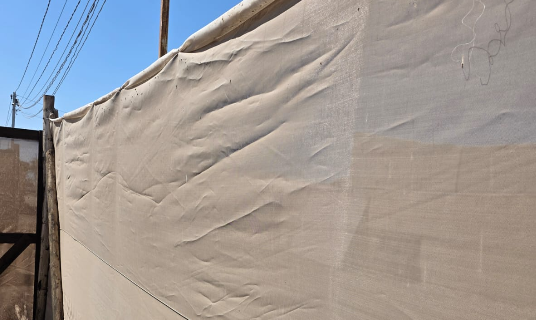
In open or arid regions, insect netting also offers secondary benefits such as reducing wind-driven debris and limiting the movement of certain flying insects. While not a replacement for windbreak systems, properly installed netting can create a more stable microclimate for young plants.
Part 4:How to Choose the Best Insect Netting for Your Project?
Selecting the right insect net is not simply about blocking insects. It requires understanding how different technical factors affect performance, durability, and plant health.
1. Mesh Size and Pest Exclusion
Mesh size determines which insects are blocked and how much airflow passes through the net. Smaller mesh sizes provide higher protection but reduce ventilation slightly. Larger mesh sizes improve airflow but may allow smaller insects to pass. The best insect netting balances pest pressure with climate conditions and crop sensitivity.
2. Material Quality and Structure
Professional insect netting is typically made from HDPE (High-Density Polyethylene). HDPE insect netting offers excellent tensile strength, tear resistance, and flexibility. It does not absorb moisture, resists chemicals, and maintains structural integrity over time. Inferior materials may degrade quickly, tear easily, or lose effectiveness after limited outdoor exposure.
3. UV Stabilization and Lifespan
UV resistance is one of the most critical factors in outdoor insect netting. Without proper UV stabilization, nets become brittle and fail after one or two seasons. High-quality HDPE insect netting is UV-stabilized to withstand continuous sun exposure, ensuring a lifespan of several years even in harsh climates.
4. Roll Size and Installation Efficiency
Choosing the right insect net roll size reduces installation time and material waste. Wider rolls allow large areas to be covered with fewer seams, improving both efficiency and durability. Professional suppliers offer customizable roll widths and lengths to suit different project scales.
Part 5: What Is the Best Manufacturer and Supplier of Insect Netting?
Company Strength: Why Manufacturing Capability Matters
Young Shade Sail is a professional manufacturer specializing in technical textile solutions for outdoor living and agricultural applications. With in-house production facilities and advanced equipment, we control every stage of insect net manufacturing—from raw material selection to final quality inspection.
Our global supply capability supports projects ranging from home gardens to large agricultural operations. Years of export experience allow us to deliver consistent quality that meets international standards across different climates and regions.
Product Strength: Professional Insect Netting Solutions
Young Shade Sail produces a full range of HDPE insect netting, including garden insect netting, greenhouse insect net, and heavy-duty agricultural insect netting. Our products are engineered for durability, stable mesh structure, and long-term UV resistance.
Key product advantages include:
- High-quality HDPE for strength and flexibility
- UV-stabilized structure for extended outdoor lifespan
- Consistent mesh sizes for reliable pest exclusion
- Custom roll widths and lengths for efficient installation
By combining manufacturing expertise with product customization, Young Shade Sail provides insect netting solutions designed for real-world agricultural performance.
Conclusion
Insect netting is no longer an optional accessory—it is a fundamental tool for protecting crops in gardens, greenhouses, and agricultural systems. By preventing insects before damage occurs, an insect net supports healthier plants, safer food production, and more stable yields.
Choosing high-quality HDPE insect netting from a reliable manufacturer ensures long-term performance and value. With professional production standards and global supply experience, Young Shade Sail offers insect netting solutions that growers can trust season after season. Young Shade Sail welcomes agents worldwide to join!