Shade fabric is an essential component for creating comfortable and protected outdoor spaces. Whether you are designing a commercial plaza, a recreational park, or a residential garden, choosing the right fabric can significantly impact comfort, safety, and longevity.
This guide explores the five key types of shade fabric, their applications, what to consider when selecting the ideal fabric, and why Young Shade Sail’s HDPE shade fabric is a superior choice for long-term use. By the end of this article, you will understand the differences in materials, the best applications for each, and the qualities that make certain fabrics stand out.
Part 1: The Main Applications of Shade Fabric
Shade fabric has broad applications across commercial, recreational, and outdoor living spaces. Each setting has unique requirements for durability, UV protection, and design.
1. Commercial Spaces
Commercial areas, such as shopping streets, outdoor dining spaces, and public plazas, require shade solutions that are both durable and visually appealing. HDPE shade fabric is widely used to manufacture shade sails, creating comfortable outdoor environments while enhancing the overall aesthetic of urban spaces. Thanks to its excellent tensile strength, UV resistance, and low-maintenance performance, HDPE fabric can withstand prolonged sun exposure and varying weather conditions, making it ideal for large-scale commercial installations. As highlighted in our guide to smart urban landscape design, shade sails have become an increasingly popular element in modern urban planning, providing functional sun protection while improving the visual appeal and usability of public spaces.
2. Tourism and Educational Spaces
For schools, playgrounds, and tourist attractions, shade fabric must prioritize safety, UV protection, and ventilation. High-quality shade fabric can be engineered into retractable shade canopies, providing flexible sun protection that can be adjusted according to weather conditions and user needs. These systems create cooler and more comfortable outdoor spaces while maintaining excellent airflow, making them particularly suitable for children’s play areas, educational facilities, and recreational destinations. Fabrics such as tightly woven HDPE offer outstanding UV resistance, durability, and tear strength, ensuring long-term performance in high-traffic environments. As discussed in our guide to retractable shade canopy solutions, retractable systems have become a popular choice for public and commercial spaces due to their versatility, weather adaptability, and modern appearance.
3. Outdoor Living Spaces
Residential patios, pergolas, terraces, and camping setups benefit from shade fabrics that combine comfort with aesthetics. High-quality HDPE shade fabric can be transformed into shade sails, creating stylish and functional outdoor living spaces while providing excellent sun protection. Knitted HDPE fabrics offer optimal light transmission, airflow, and temperature reduction, ensuring a cooler and more comfortable environment for relaxation and outdoor activities. With a wide range of colors and sizes available, shade sails can seamlessly complement different architectural styles and landscapes. For inspiration on how to enhance outdoor spaces with shade sails, explore our collection of shade sail ideas for residential and recreational applications.
Part 2: Understanding the 5 Key Types of Shade Fabrics
Choosing the right shade fabric begins with understanding material types. Each fabric has unique advantages and limitations.
1. HDPE Shade Fabric
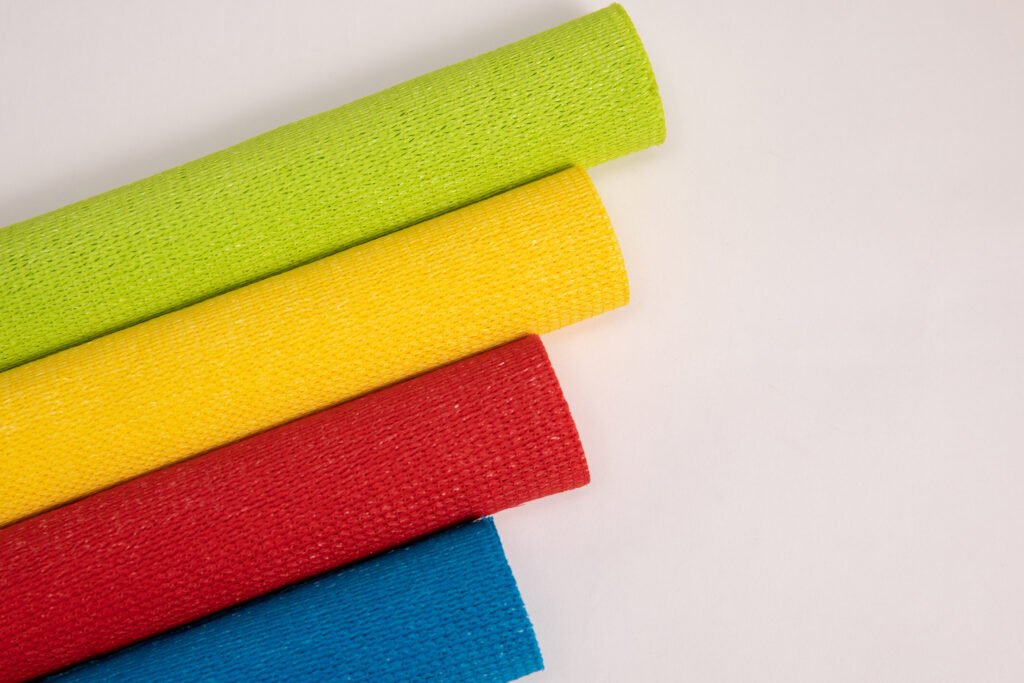
HDPE shade fabric is lightweight, flexible, and highly durable. Its open-knit structure allows air circulation, preventing heat buildup while providing dense coverage. It is widely used in gardens, patios, and retractable shade sails.
Long-lasting performance, resistant to tearing, fading, and harsh weather. Currently the most popular choice for outdoor shading due to its durability, environmental safety, and low maintenance.
2. PVC-Coated Shade Fabric
PVC-coated fabrics feature a protective PVC layer over a polyester or polypropylene base, offering water resistance and good durability.
- Consideration: Heavier than other fabrics, which can make installation more challenging and may require stronger support structures. Over time, PVC coatings may crack or degrade under prolonged sun exposure.
3. Canvas Shade Fabric
Canvas offers a classic, natural aesthetic and moderate sun protection.
- Consideration: Canvas is prone to absorbing moisture and staining, which can lead to mildew if not properly maintained. It also requires periodic cleaning and care to retain its appearance and effectiveness.
4. Aluminum Reflective Shade Fabric
Aluminum reflective fabrics incorporate metallic threads or coatings to reflect heat and UV rays, reducing temperature beneath the shade.
- Consideration: Less flexible than fabric-based options, which can make installation and adjustments more difficult. Over time, reflective coatings may fade or develop minor creases under constant sun exposure.
5. Polycarbonate Shade Panels
Polycarbonate panels are rigid, semi-transparent sheets that provide durable, long-lasting shade while allowing light to pass through.
- Consideration: Heavier than fabrics and requires strong structural support. Once installed, they are low-maintenance and highly durable but lack the flexibility of traditional shade cloths.
While each material has its advantages and certain limitations, HDPE knitted and woven shade cloth stands out as the most popular choice today. It offers excellent durability, environmental friendliness, UV protection, and long-term reliability, making it the safest and most effective material for a wide range of outdoor shading applications.
Part 3: Key Considerations When Choosing Shade Fabric
Selecting the right fabric involves several professional considerations:
- UV Protection: Choose fabrics that block the appropriate percentage of UV rays for your environment.
- Durability and Strength: Consider tearing resistance, longevity, and ability to withstand weather conditions.
- Breathability: Adequate airflow prevents heat accumulation under the fabric.
- Weight and Structural Needs: Heavier fabrics need sturdier posts and anchors; lighter fabrics are easier to install but less durable in high winds.
- Maintenance Requirements: Some fabrics are low-maintenance, while others need cleaning or treatment.
- Design and Aesthetic: Color, transparency, and style affect both comfort and visual appeal.
Part 4: Why Young Shade Sail Shade Fabric Stands Out
Young Shade Sail believes that outdoor shading should combine functionality, durability, and sustainability. That is why the company’s HDPE shade fabrics are engineered with advanced materials science and strict quality standards, ensuring they deliver superior performance compared with ordinary fabrics in terms of UV resistance, strength, weather durability, and long-term outdoor reliability.
With extensive experience in manufacturing high-performance shade solutions, Young Shade Sail provides factory-direct supply for global distributors, contractors, and project partners. The company also specializes in professional shade sail manufacturing and wholesale supply, offering customized solutions designed for residential, commercial, and large-scale outdoor applications.
- High-Tensile HDPE: Our fabrics are made from ultra-strong, odorless, heat-resistant HDPE, designed to withstand harsh outdoor conditions without tearing or deforming. The robust knitted structure maintains flexibility while ensuring long-lasting strength.
- German Anti-Aging Technology: We integrate UV-resistant additives imported from Germany, which effectively prevent cracking, brittleness, and degradation caused by prolonged sun exposure. This guarantees reliable performance even under intense tropical or desert climates.
- Optimal Light & Shade: Unlike rigid or coated materials, our HDPE cloths allow natural airflow while blocking up to 95% of harmful UV rays. This creates a cooler, more comfortable environment, reducing temperatures by 8–12°C in shaded areas such as patios, playgrounds, and commercial dining spaces.
- Customizable Options: Young Shade Sail offers 30+ color selections, shade densities ranging from 50% to 95%, and fabric widths from 3m to 6m. Whether you’re designing a residential backyard, a school playground, or a large commercial space, our shade cloths adapt seamlessly to your vision.
- Advanced Testing: Every batch undergoes accelerated weathering tests and UV performance testing to ensure consistency. These strict procedures guarantee that our fabrics not only meet but exceed international durability and safety standards.
- Longevity: Engineered for endurance, Young Shade Sail fabrics deliver up to 15 years of outdoor use while retaining their vibrant colors. Even under strong sunlight and rain, the material remains stable, reliable, and visually appealing.
- Safety and Environmental Compliance: All fabrics are flame-retardant, non-toxic, and eco-friendly, making them safe for families, schools, public spaces, and environmentally conscious projects. Choosing Young Shade Sail means choosing a product that is both safe for people and responsible for the planet.
About Young Shade Sail
Young Shade Sail has over a decade of experience delivering high-quality shading solutions worldwide. We specialize in HDPE shade fabrics, retractable shade canopy, and eco-friendly outdoor shading systems. Our global clients span residential, commercial, and industrial sectors.
We combine innovation, rigorous testing, and material science expertise to ensure every project meets the highest standards for safety, durability, and aesthetic appeal. Our products are engineered for performance, longevity, and comfort in a variety of outdoor environments.
Conclusion
Choosing the right shade fabric is essential for comfort, safety, and long-term performance in outdoor spaces. By understanding the five main types, customers can select the fabric solution that best matches their specific application requirements.
Young Shade Sail’s HDPE shade fabrics combine advanced material technology, superior UV protection, and exceptional durability, making them a trusted choice for architects, landscapers, contractors, and homeowners worldwide. As an experienced shade fabric manufacturer, Young Shade Sail provides customized shading solutions and reliable factory-direct supply for projects of all sizes.
If you are looking for a dependable HDPE shade fabric supplier or professional shade solution partner, contact Young Shade Sail today to discuss your project requirements and work directly with a trusted manufacturer.