Global investment in sports infrastructure is accelerating, driven in part by major international events such as the FIFA World Cup 2026 infrastructure program, which continues to stimulate the development of schools, public sports facilities, and community recreation centers across North America and beyond.
As new outdoor courts are built, a consistent question emerges during the planning stage: how can these spaces remain usable, safe, and comfortable under increasingly intense sun exposure?
This is where court shade becomes a critical design element rather than an optional upgrade. Whether the project involves a tennis court canopy, an outdoor basketball court cover, or a pickleball court canopy, the choice of shade system directly impacts user comfort, facility utilization, and long-term operational value. This guide explains the main court shade structures, how to evaluate them, and what buyers should consider when selecting a manufacturer.
Part 1: Why Are Sports Courts Now Required to Have Shade Structures?
How does UV exposure affect athletes on outdoor sports courts?
Prolonged exposure to ultraviolet radiation is a well-documented health concern. According to the World Health Organization (WHO) guidance on UV exposure, repeated exposure to strong sunlight increases risks related to skin damage and long-term health complications. Similarly, the Skin Cancer Foundation’s recommendations on outdoor UV protection emphasize shade as one of the most effective preventive measures in outdoor environments.
On sports courts, this issue becomes even more pronounced because athletes and users often spend extended periods under direct sunlight. Without proper shading, court surfaces can also reflect and intensify heat exposure, increasing physical strain and reducing performance levels.
Can court shade increase sports facility usage and revenue?
Beyond health considerations, court shade has a direct commercial impact. Facilities without shading often experience reduced usage during peak daylight hours, especially in summer months. This limits booking opportunities and decreases overall return on investment.
In contrast, shaded courts remain usable for longer periods throughout the day. Sports clubs, schools, and municipal facilities often report higher booking rates after installing shading systems because users are more willing to play in comfortable conditions. In this sense, court shade is not only a structural upgrade but also a revenue-enabling infrastructure investment.
Part 2: What Are the Different Types of Court Shade Structures for Sports Facilities?
Most sports facility shade systems fall into four primary categories, each serving different performance and budget requirements.
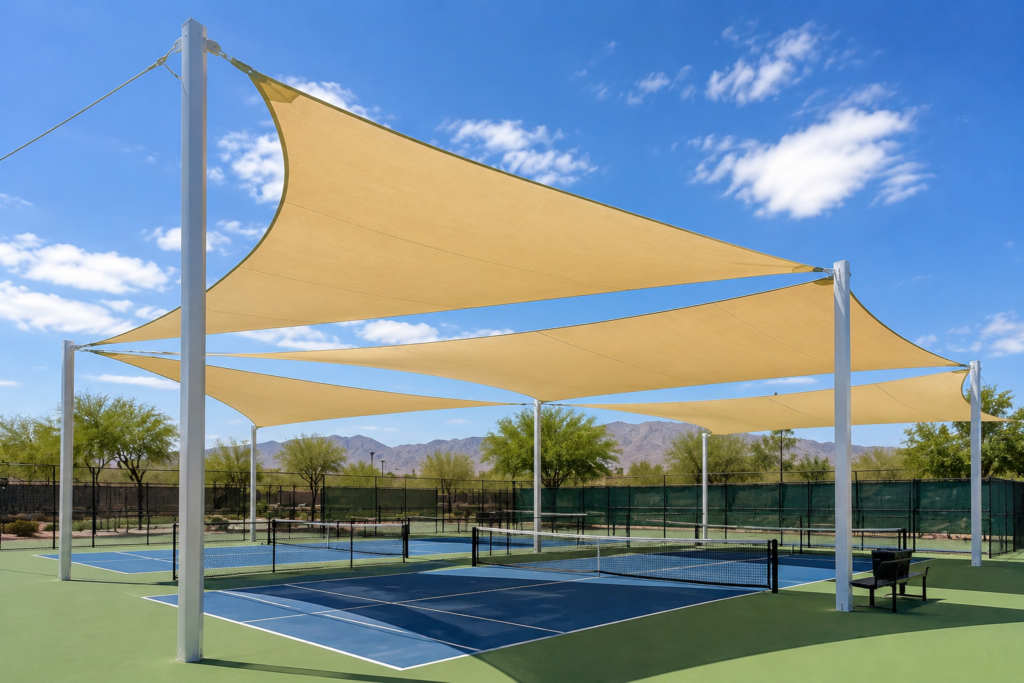
Fixed shade sails are among the most widely used solutions due to their balance of affordability and performance. These systems use tensioned HDPE fabric supported by engineered steel posts or existing structures. Their breathable design allows hot air to escape while still blocking harmful UV rays, making them especially suitable for schools, parks, and community sports courts. For buyers evaluating material options, understanding long-term fabric behavior is essential, as explained in our guide to 5 Types of Shade Fabric, which breaks down how different materials perform under outdoor conditions.
Retractable shade canopy systems represent a more advanced solution designed for flexibility. Unlike fixed systems, these can be opened or closed depending on weather conditions or event requirements. This makes them ideal for premium sports facilities, tennis clubs, and training centers where operational control and user experience are priorities. Facilities considering this option often review operational and design considerations similar to those discussed in 5 Tips About Retractable Shade Canopy systems.
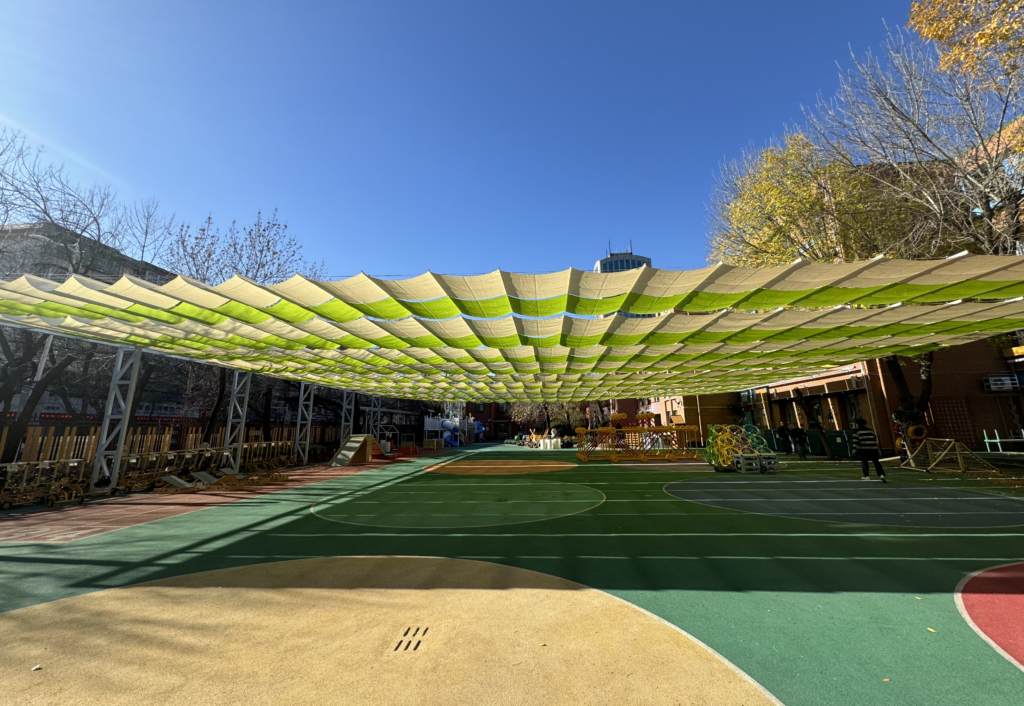
Steel frame canopies and membrane structures are typically used for large-scale or architecturally significant projects. While they offer strong structural performance and long service life, they require higher investment and more complex engineering compared to fabric-based systems.
| Court Shade Structure Type | Cost Level | Flexibility | Durability | Best Application (Sports Courts) |
|---|
| Fixed Shade Sail | Low–Medium | Medium | High (HDPE UV-stable fabric) | School tennis courts, community basketball courts, public pickleball courts, playground shading |
| Retractable Shade Canopy | Medium–High | High | High (mechanical + fabric system) | Tennis clubs, sports academies, premium basketball courts, event-ready sports facilities |
| Steel Frame Canopy | High | Low | Very High | Large municipal sports centers, stadium-adjacent courts, permanent infrastructure projects |
| Tensioned Membrane Structure | High | Medium | Very High | Landmark sports complexes, multi-court commercial developments, architectural sports venues |
Part 3: How to Choose the Right Shade Fabric for Court Shade Projects?
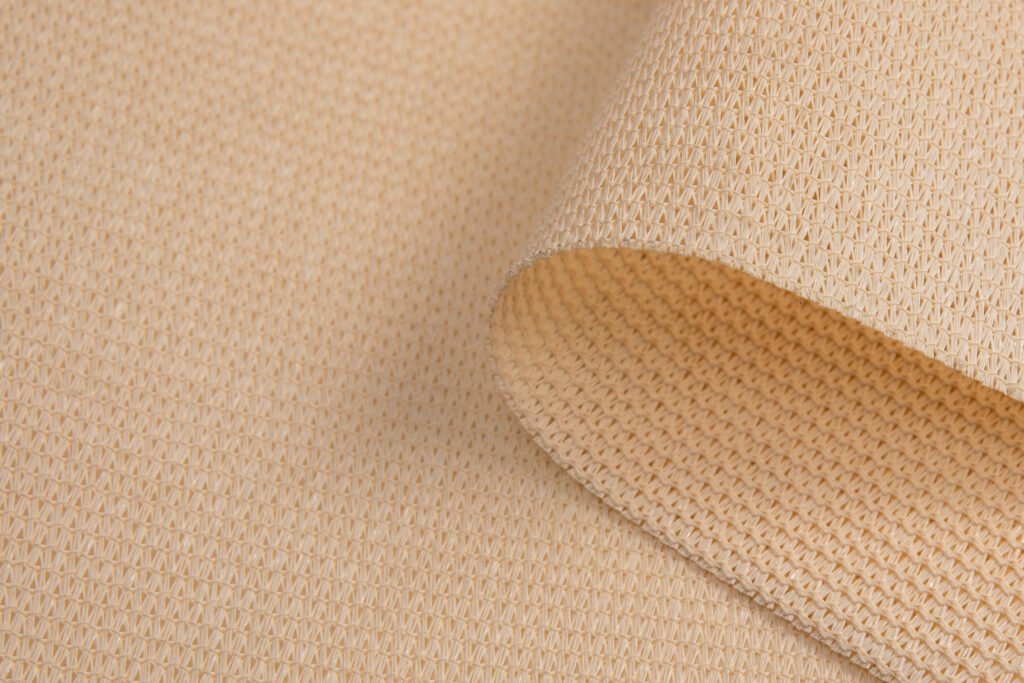 YoungShadeSail–Court Shade Fabric
While structural design defines coverage, fabric selection determines long-term performance.
HDPE shade fabric is the most widely used material in sports applications due to its excellent UV resistance and breathable structure. Unlike solid roofing materials, HDPE allows airflow, reducing heat buildup under the canopy. For buyers still evaluating material differences, our article on Outdoor Fabric Overview provides a deeper comparison of commonly used textile systems in outdoor shade applications.
In more demanding environments, PVC-coated fabrics are used when waterproof performance is required, while PTFE membranes are typically reserved for premium architectural installations. Regardless of material type, factors such as UV stability, tensile strength, and color retention should be carefully evaluated. A more detailed breakdown can be found in our guide on How to Choose the Best Outdoor Fabric.
Part 4: Which Court Shade Manufacturer Is Best for Large-Scale Projects?
With extensive manufacturing experience in outdoor shading systems, Young Shade Sail focuses specifically on B2B and project-based supply rather than standard retail distribution. Over years of working with global contractors, distributors, and infrastructure developers, the company has developed the capability to support complex court shade requirements across different climates, wind conditions, and facility types. This includes not only fixed shade sails, but also retractable canopy systems and commercial-grade shade fabrics for engineered installations.
Professional Manufacturing Experience in Sports Shade Systems
Young Shade Sail has long-term experience in producing shade systems designed specifically for sports environments such as tennis courts, basketball courts, and pickleball facilities. This experience allows the company to understand real-world engineering challenges such as wind load distribution, UV exposure, and large-span fabric tension behavior.
Full Product Coverage: Shade Sail, Retractable System, and Fabric Supply
One of the key advantages for large-scale buyers is the ability to source multiple system types from a single manufacturer. Young Shade Sail provides complete coverage across fixed shade sails, motorized retractable canopy systems, and commercial shade fabric rolls. This allows project developers and contractors to maintain consistency in material quality and engineering standards across different types of installations. It also simplifies procurement and reduces coordination risk when managing multi-court or multi-site developments.
Custom Engineering and Project-Based Design Support
Large sports facility projects often require customized dimensions, non-standard geometries, and site-specific engineering adjustments. Young Shade Sail supports full customization including size, shape, fabric density, color selection, and structural configuration.
Support for Contractors, Distributors, and Government Projects
Unlike standard retail suppliers, Young Shade Sail works closely with B2B partners such as contractors, distributors, and municipal procurement teams. This includes support for bulk orders, project bidding requirements, and technical documentation needed for public infrastructure approvals.
Global Export Experience and Installation Adaptability
Court shade projects often involve international logistics, varying building standards, and different climate conditions. With established export experience, Young Shade Sail supplies products to global markets with packaging, documentation, and design considerations tailored for international delivery.
FAQ
What are tennis courts covered with?
Tennis courts are typically covered with shade sails, retractable canopy systems, or membrane structures depending on budget and facility type.
What are the different types of shade structures?
The main types include fixed shade sails, retractable canopies, steel frame structures, and tensioned membrane systems.
Can shade sails cover full basketball courts?
Yes. Properly engineered shade sail systems can be designed to cover full basketball courts while maintaining required clearance.
Is HDPE fabric suitable for sports courts?
Yes. HDPE fabric is widely used due to its UV resistance, breathability, and long-term durability.
Conclusion
Court shade has become an essential part of modern sports facility planning rather than an optional feature. As outdoor courts continue to expand across schools, municipalities, sports clubs, and commercial developments, the demand for reliable, durable, and well-engineered shade systems will continue to grow.
Whether the project involves a tennis court, basketball court, pickleball facility, or multi-use recreational area, the right solution depends on balancing cost, durability, and operational flexibility. Fixed shade sails remain the most practical choice for large-scale public and educational projects, while retractable canopy systems provide enhanced control and user experience for premium sports venues. In all cases, selecting the correct fabric and structural design is critical to long-term performance.
If you are planning a sports court shade project or sourcing for bulk procurement, Young Shade Sail can provide customized solutions including shade sails, retractable canopy systems, and commercial-grade shade fabrics tailored to your project requirements.
👉 Contact us to get a customized court shade solution for your project.